
Museu de arte CONTEMPORÂNEA e centro de Arquitectura, Lisboa, Portugal
One of the most famous, respected, and truly noteworthy museums in Lisbon is MAC/CCB.
MAC/CCB (Museu de Arte Contemporânea) is one of Portugal’s main museums of contemporary art. It opened in 2007 and is best known for its permanent exhibition, the Berardo Collection (Coleção Berardo), one of Europe's most significant collections of 20th- and 21st-century art.
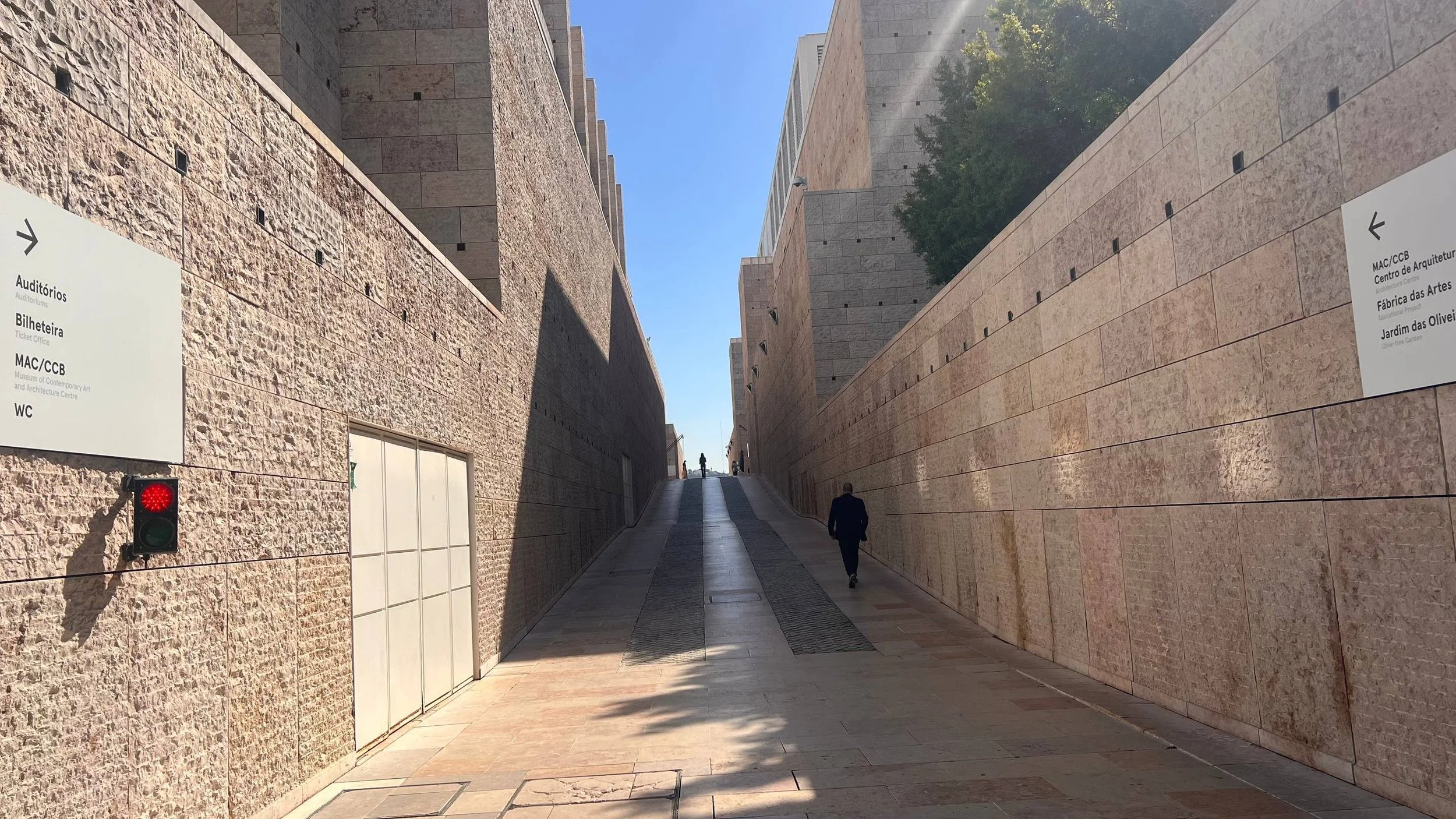
Its location outside the city center already puts you in the right mindset for a thorough immersion into art. Whether you reach the gallery by car or by historic tram, you’ll enjoy the city’s architectural charm, bask in the sun, and on your approach, the Jerónimos Monastery will greet you with its post-Gothic style.
The gallery is built in a minimalist style. Everything is pretty neat, without any extra details to distract from the art. Four floors full of enjoyment for connoisseurs, food for thought for the inquisitive, and irritation for the uncomprehending.
The Belém Cultural Center building, which houses the museum, was designed by renowned Italian architect Vittorio Gregotti in collaboration with Portuguese architect Manuel Salgado. It was opened in 1993.
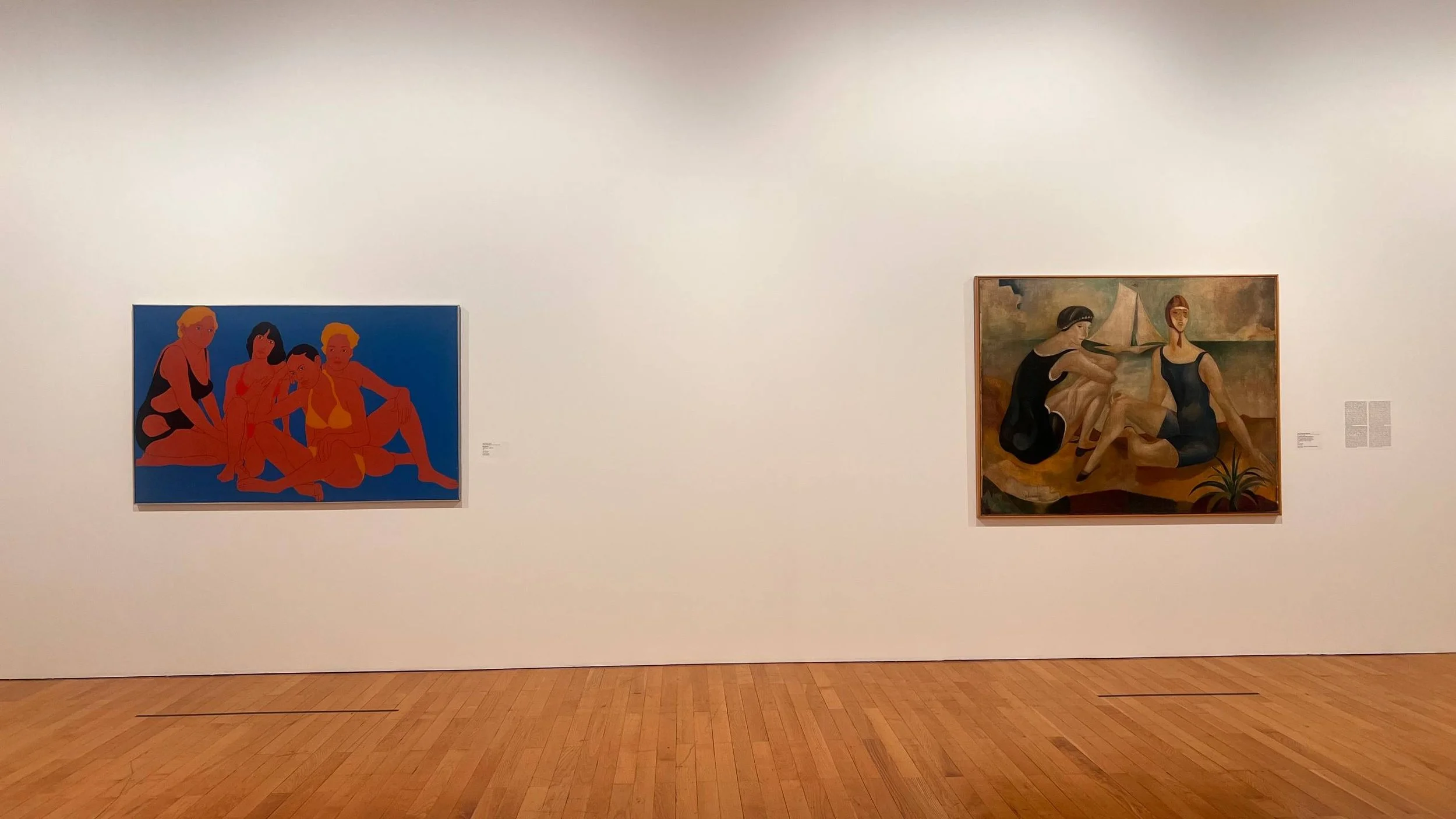
The gallery features various types and forms of art, with a vast range of geography and years represented. In addition to the main impressive permanent collection, it hosts temporary, fresh exhibitions that, most importantly, do not leave the viewer indifferent.
As a person who avoids eating meat and everything about the meat, I was struck by the exhibit “Meat Ruins” by the Brazilian artist Adriana Varejão. This series of sculptures features architectural columns or wall sections with tilework that appear to be violently torn open, with fleshy, meat-like forms spilling out from within. She uses the imagery of visceral flesh, blood, and viscera erupting through cracks in tilework and architectural structures to symbolize the wounds of colonialism and cultural hybridism.
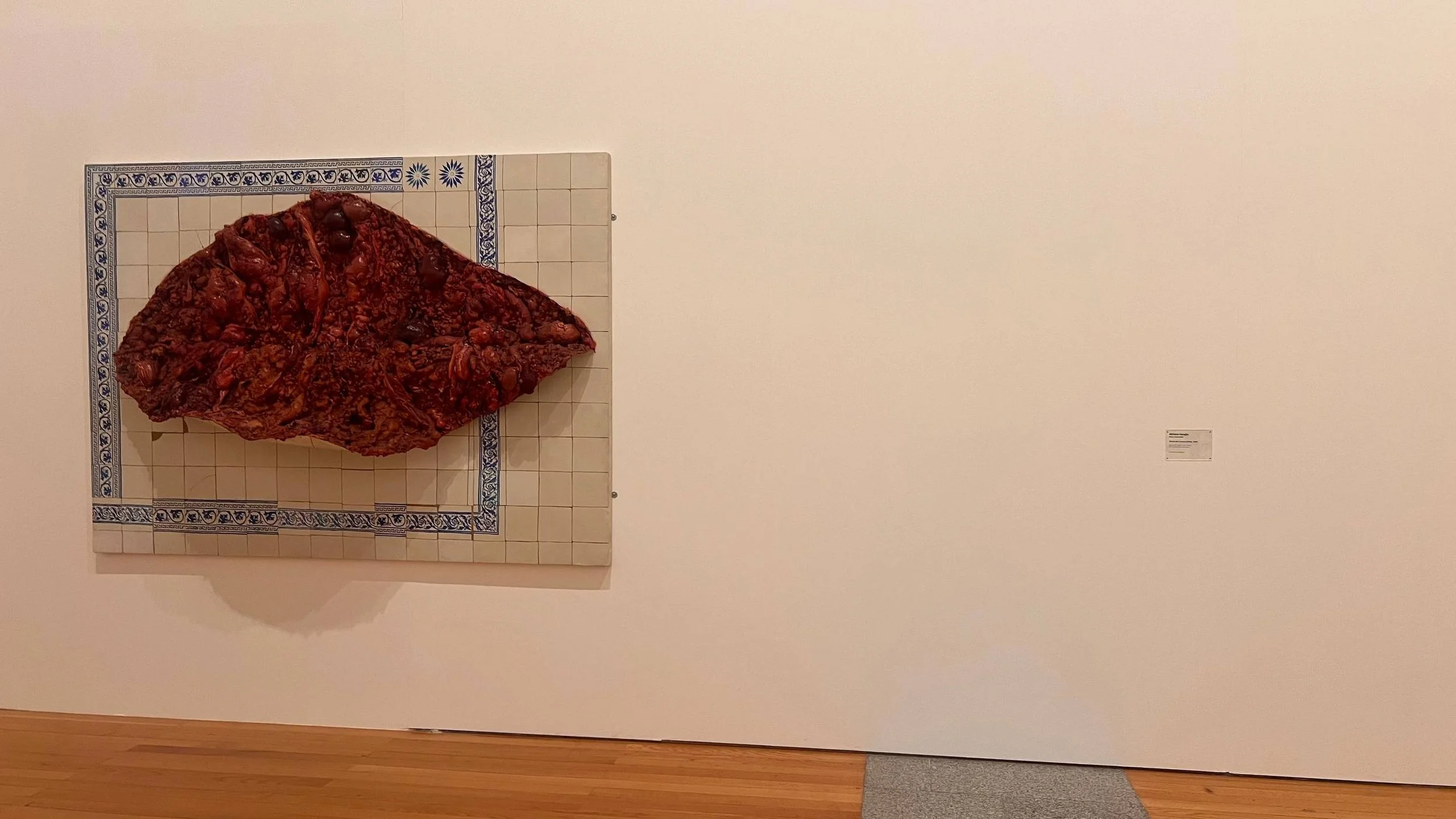
Adriana Varejão, Ruína de Charque Horto, 2001
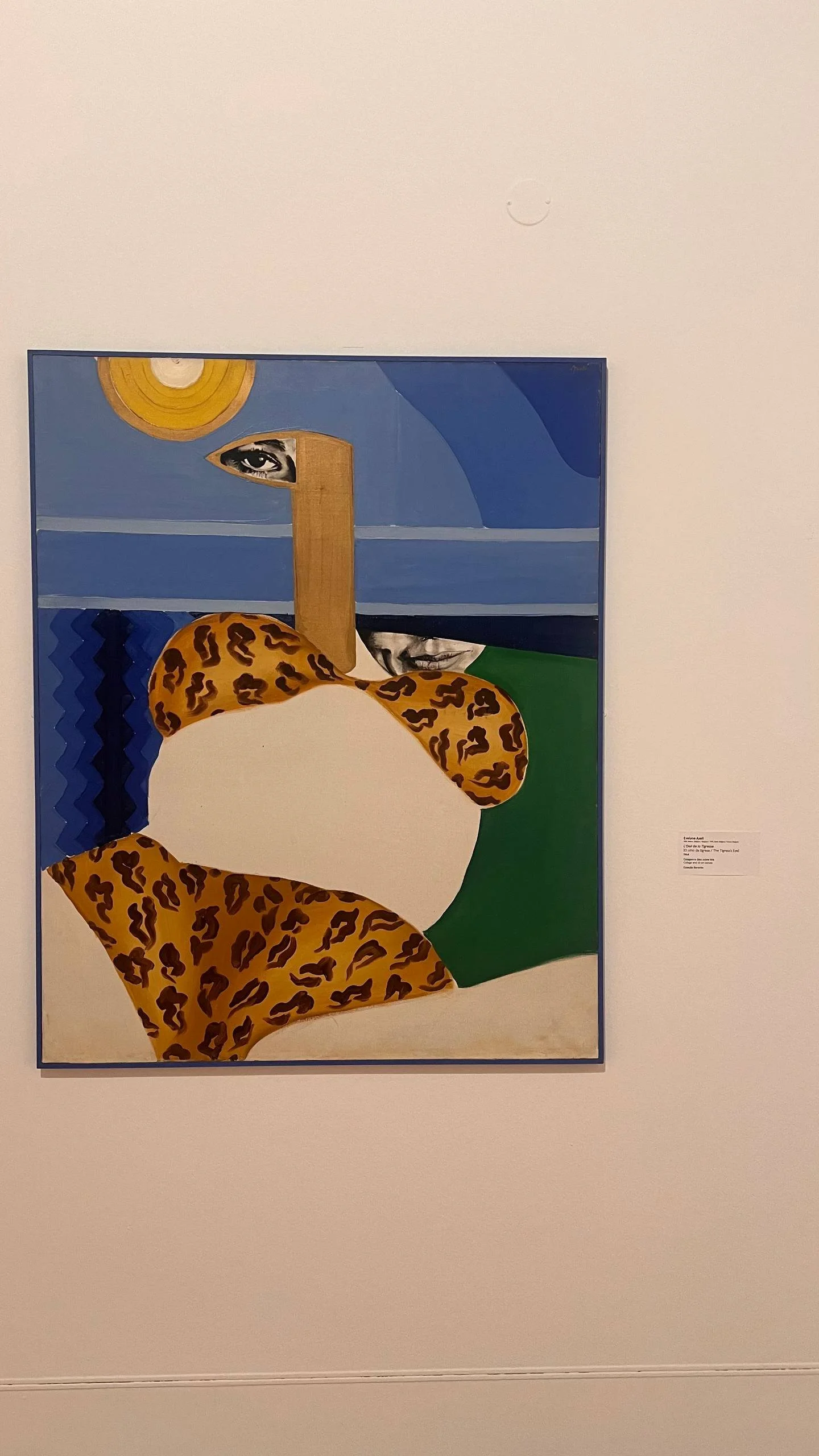
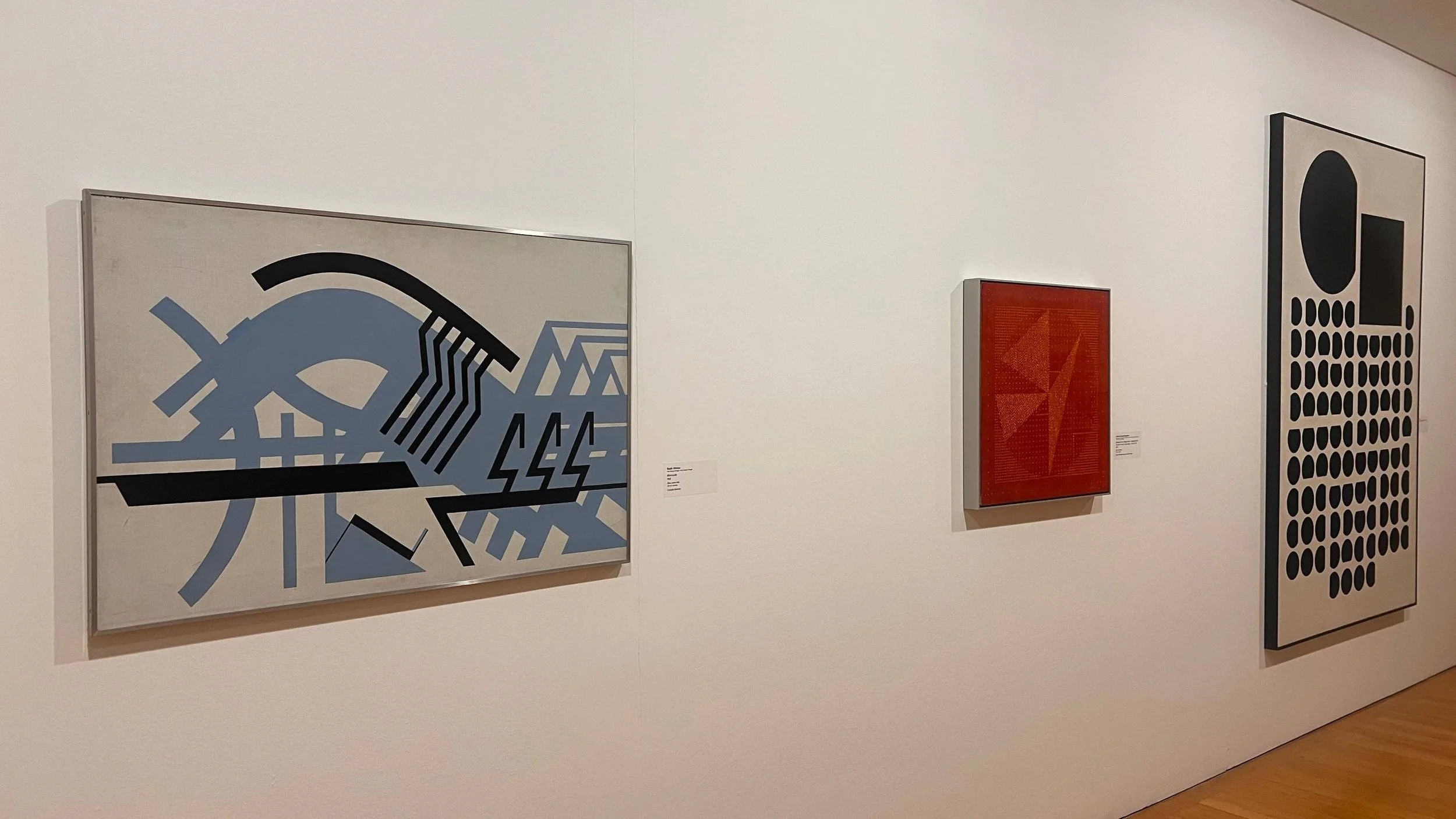
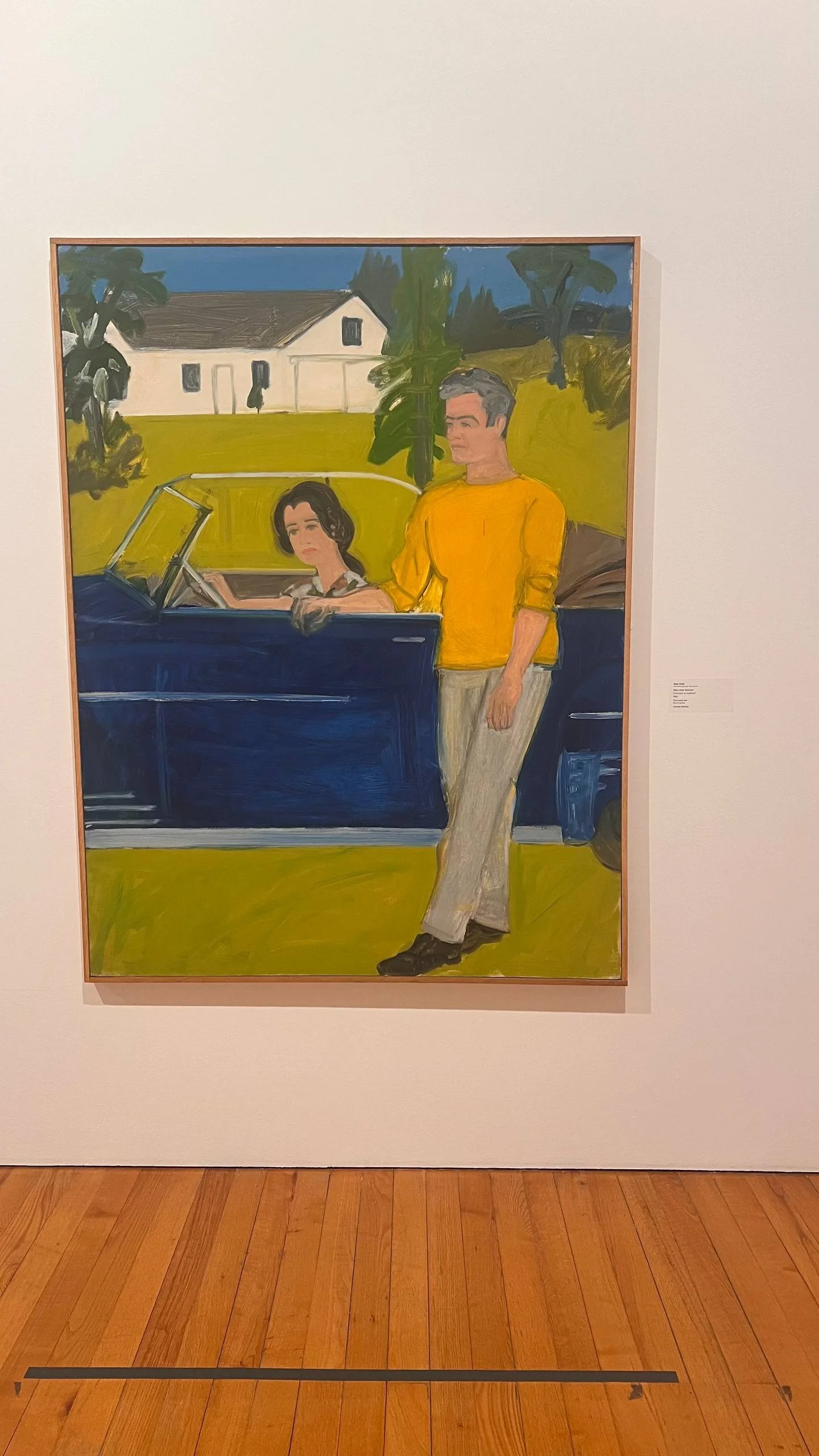
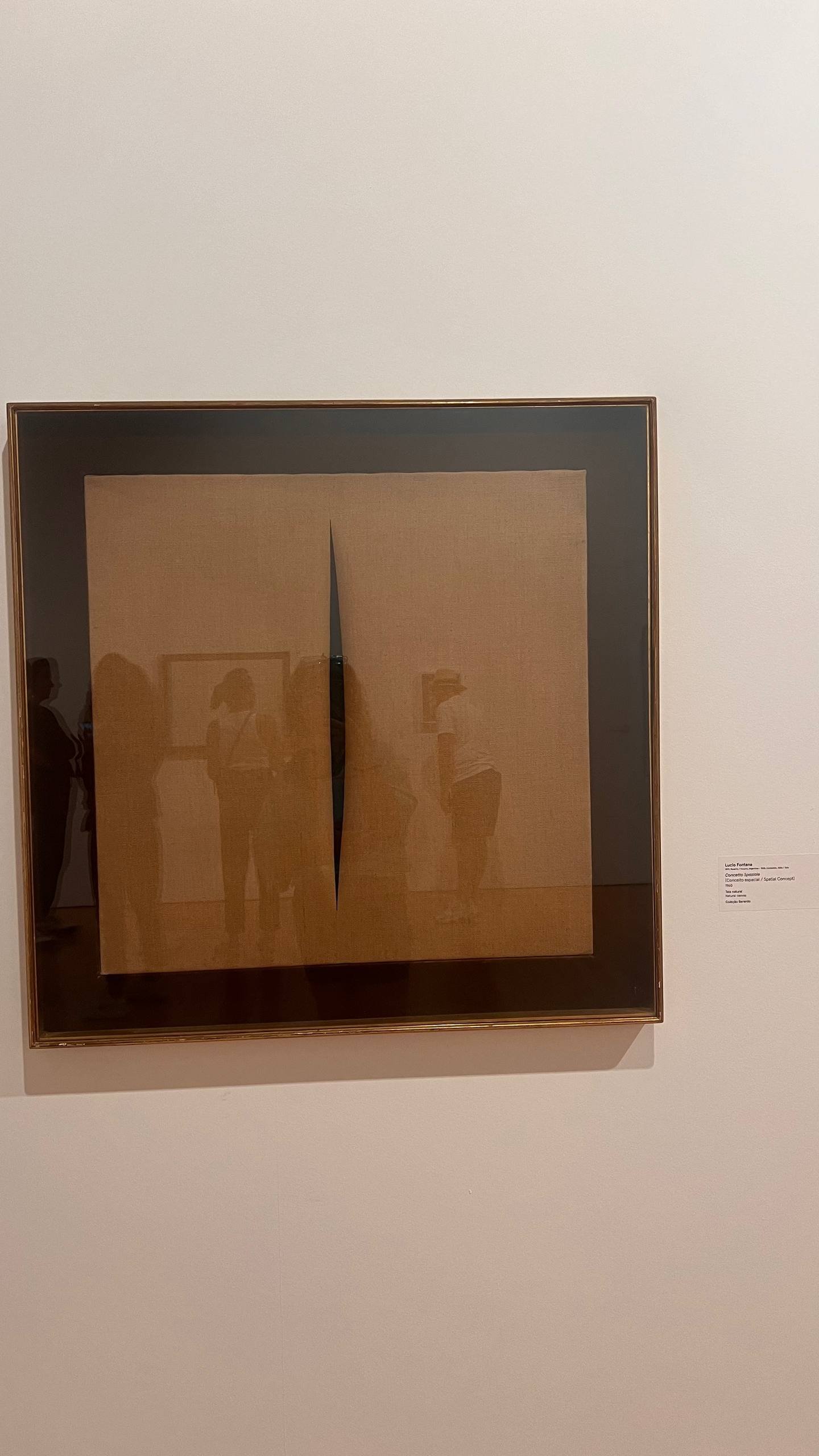
Museum’s collectionс overs major art movements from the early 20th century to the present day: from surrealism and abstract expressionism to pop art, minimalism, and conceptual art. Here you can see works by Warhol, Bacon, Picasso, Dali, Pollock, Hockney, and many others.
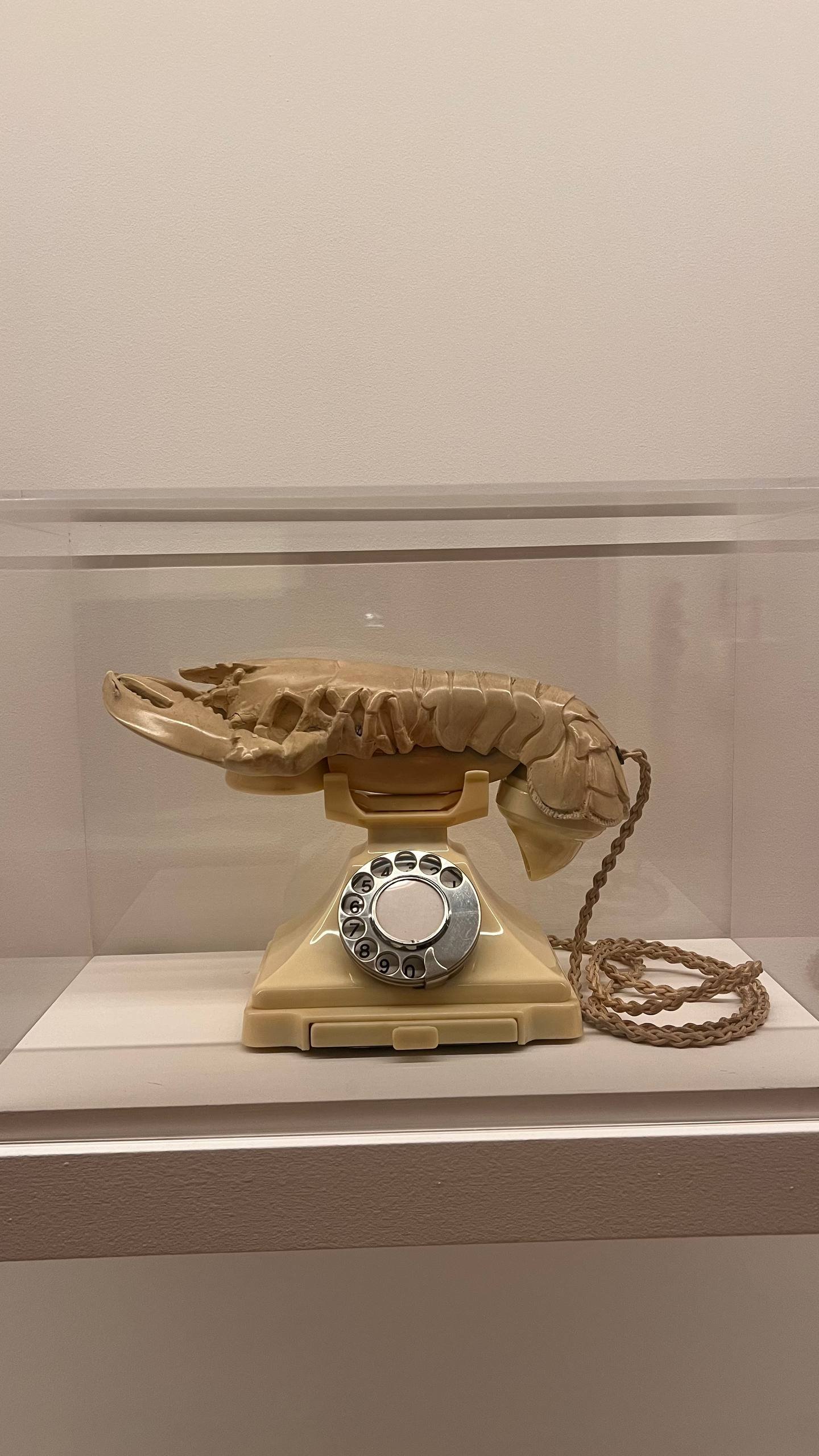
Salvador Dali, The Lobster Telephone, 1936
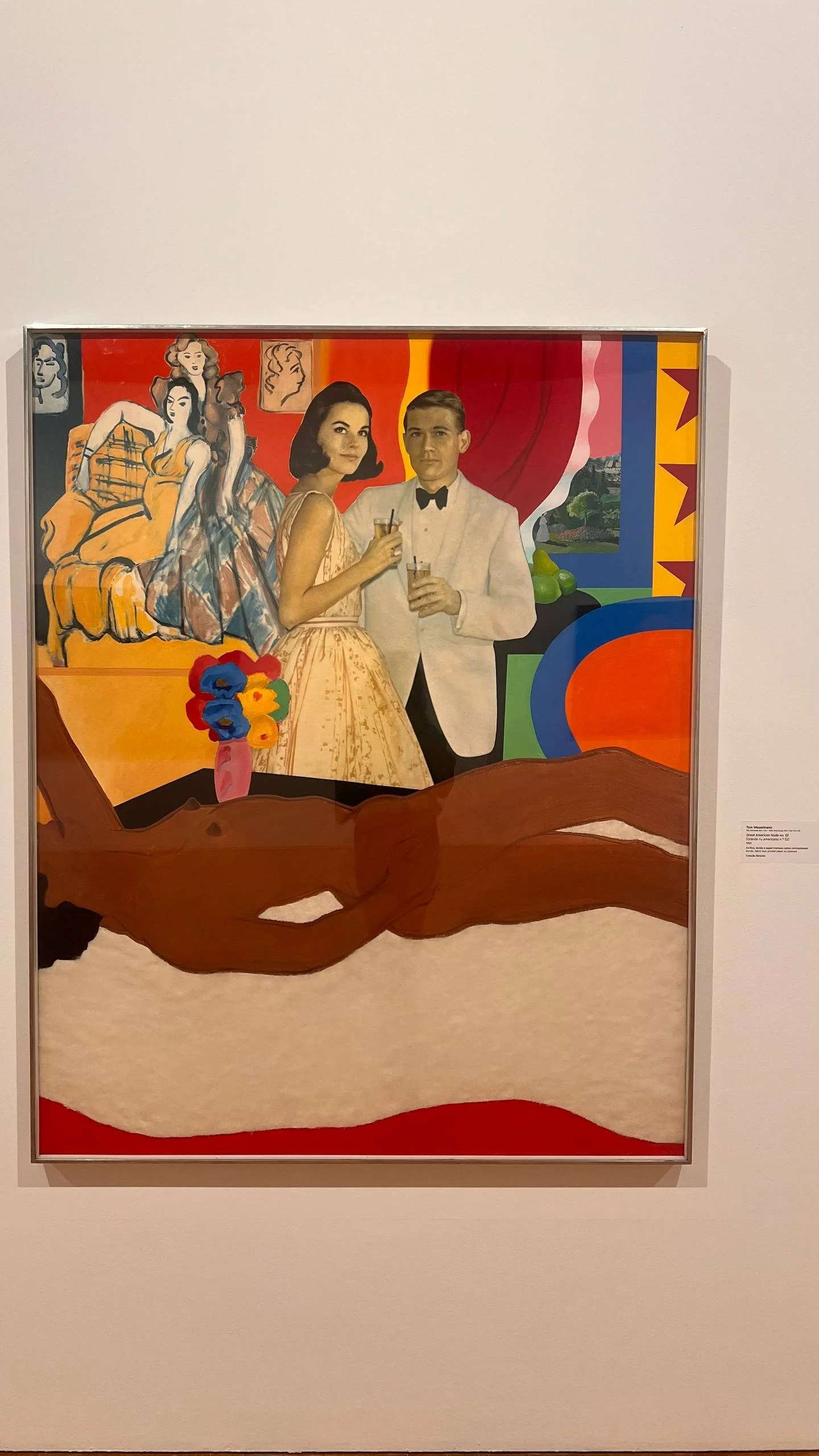
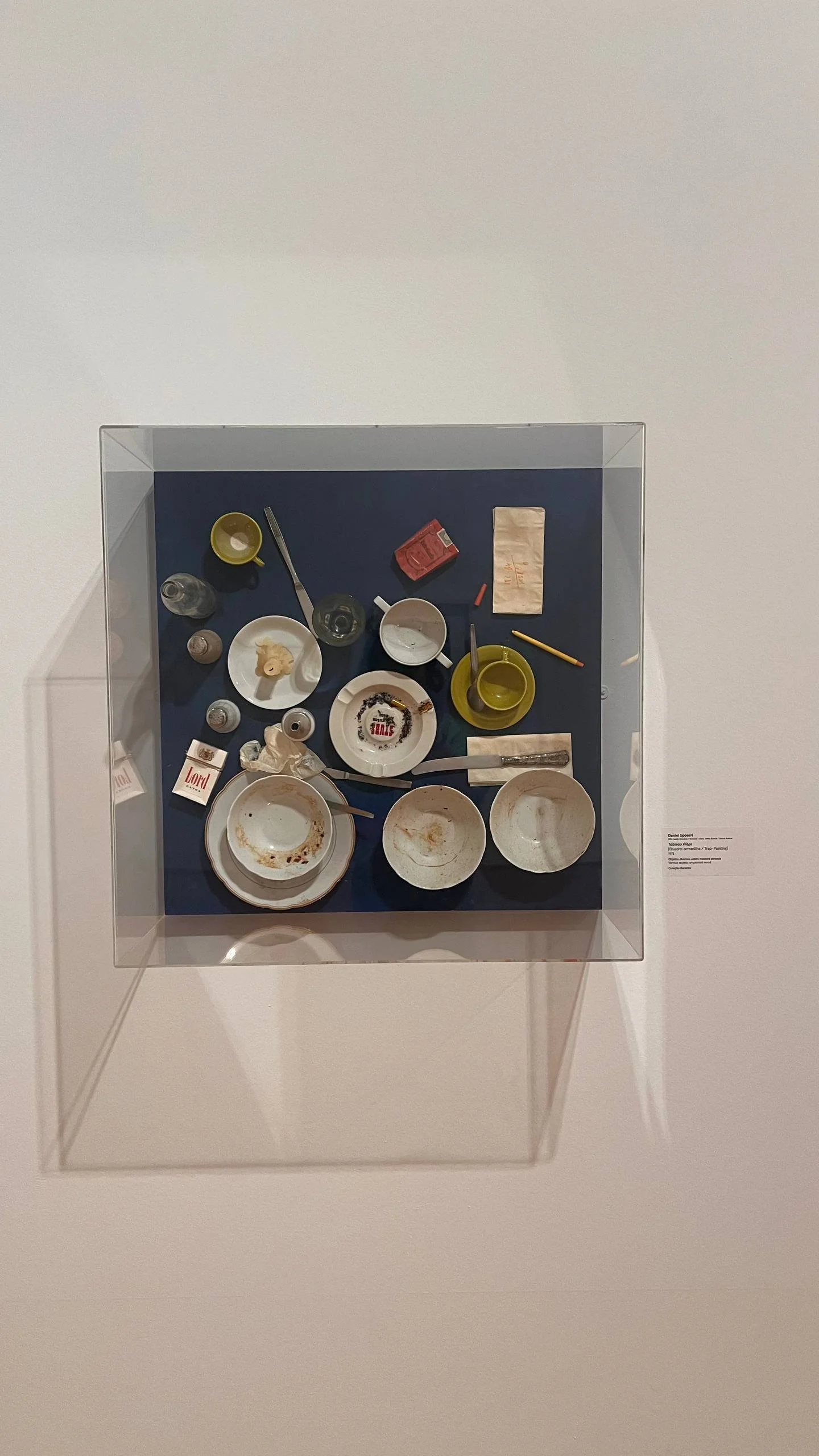
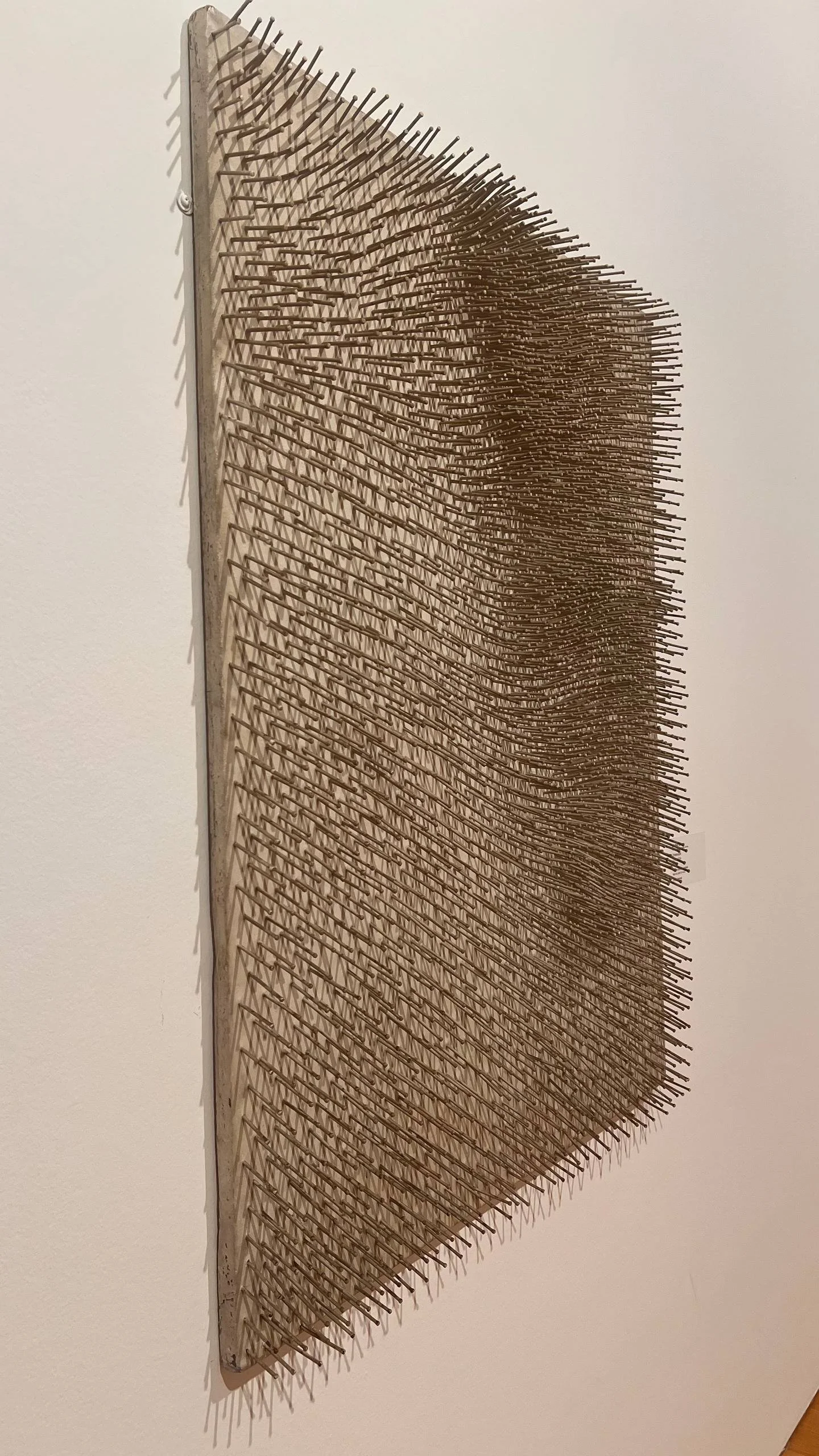
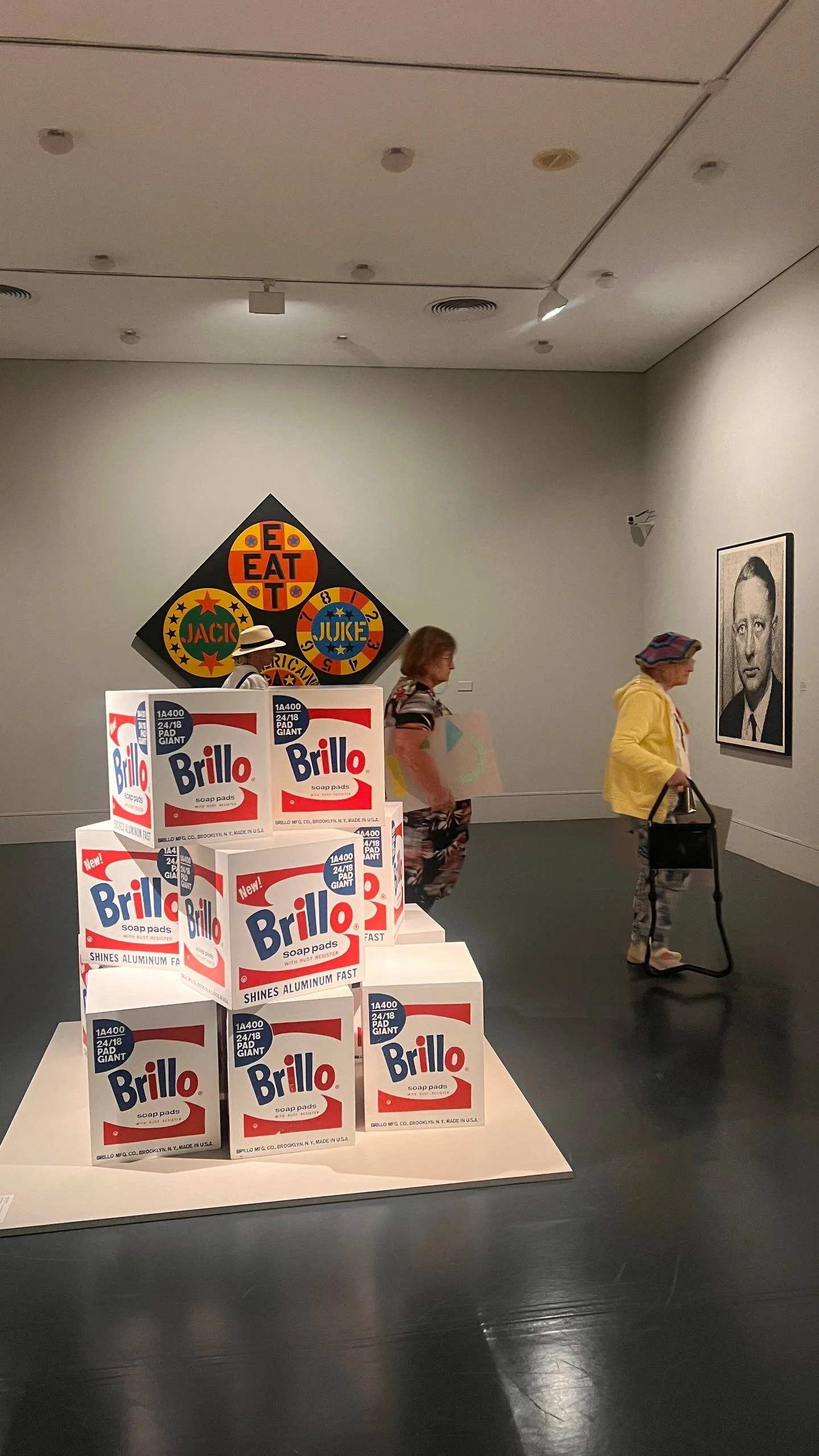
Ever felt like art was stuck in a museum? In the 1950s and 60s, a rebellious wave of artists thought so too. They ditched pure abstraction and made a radical demand: connect art directly to everyday life. This spirit fueled two major movements: Europe’s Nouveau Réalisme and the Anglo-American Pop Art. These movements were well presented here, at MAC/CCB.
New Realism made me think: how much junk we creators have in our possession… and how much junk ordinary people have… especially if they are also “hoarders”…
I highly recommend MAC/CCB for a thorough visit of at least half a day. There is a café to replenish your strength for the “struggle” with cultural sustenance. Nearby, there is a promenade and a park if you feel like getting some fresh air.
Also, if you have a specific interest, it will be easy to navigate and find the exact section you need. It is deal for contemporary art lovers who want to take a couple of hours to explore the main art movements of the last 100 years. An excellent opportunity to combine a visit to Belém’s historical monuments with a high-quality cultural program.